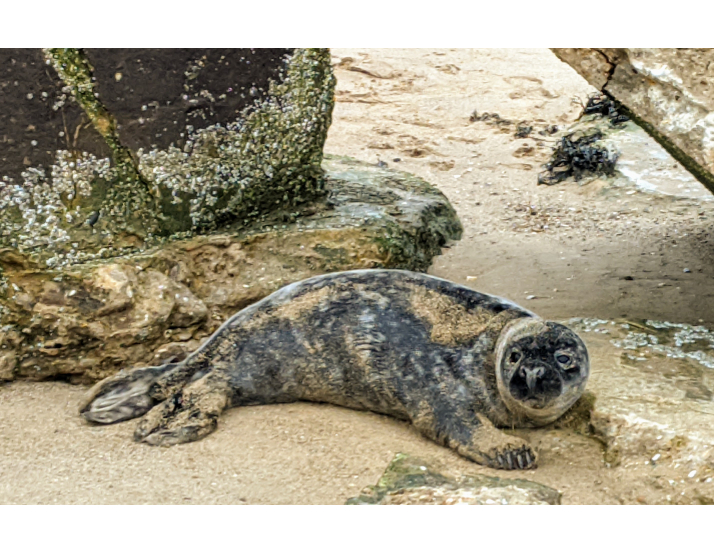
Image: A seal resting on land. Slide to the next picture to view an injured seal from Ghost Gear. Please note some people may find the image distressing.


Seals regularly rest on land, and can be found along the East Riding coast throughout the year. If you see a seal on land, keep your distance so that you do not interrupt their rest, cause the seal stress and waste its energy reserves. In extreme circumstances disturbing a seal could lead to the seal's injury or even death, even after you leave the area.
How to be considerate when seal watching:
If a seal looks sick, underweight or are entangled then they will need assistance by reporting the seal's location to British Divers Marine Life Rescue (BDMLR).
Image: A seal resting on land. Slide to the next picture to view an injured seal from Ghost Gear. Please note some people may find the image distressing.
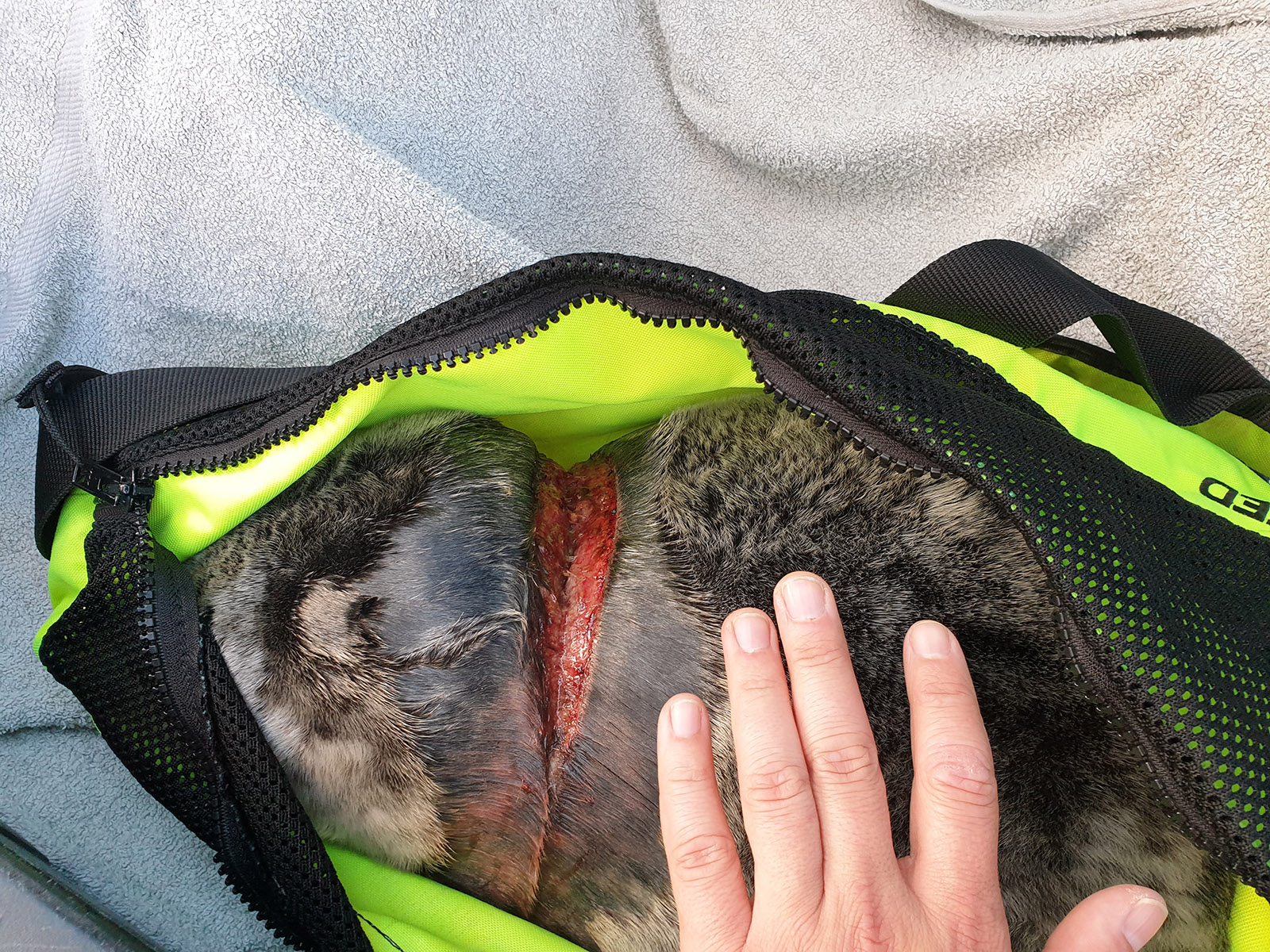
Image: A seal injured by Ghost Gear. The seal was injured, but left with a nasty reminder.
Credit: Matt Barnes - mscuk.org
If you see an injured seal, report it to BDMLR as soon as possible.
Porpoise, dolphins and whales do not naturally come ashore so any stranded cetaceans should be reported immediately.
You can report sick and injured Marine life on the BDMLR Hotline : 01825 765546 or visit the BDMLR website.
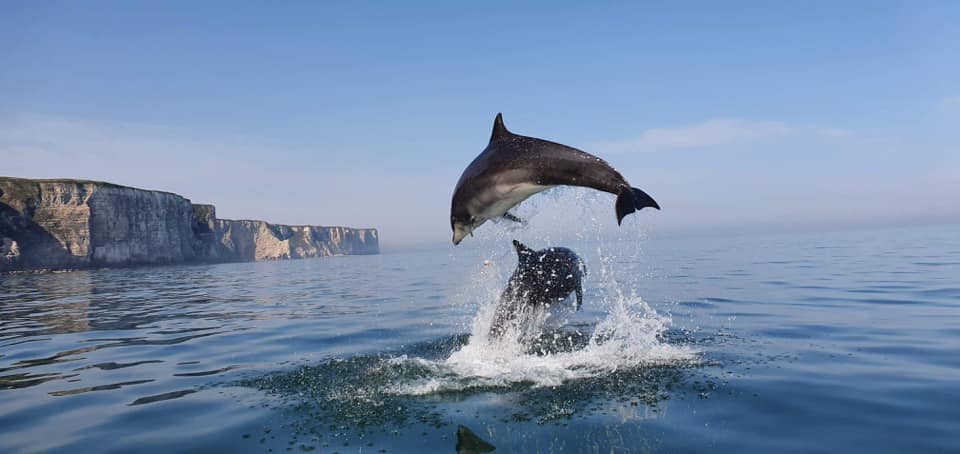
Image: A pair of Dolphins
During the breeding season sea birds occasionally wash up on the beach due to injury, exhaustion or entanglement. If you see a bird in distress, do not approach and keep dogs under control. Contact the Coastal Services Team on 01262 678255 and one of our staff or a local volunteer will come out and collect the bird. The birds are assessed and either taken to a local wildlife sanctuary to recuperate or to the vets for treatment.
If you want to see the seabirds in their natural environment then why not take a trip to RSPB Bempton Cliffs where you can see upto 500,000 seabirds nesting on the cliffs between April and September each year on cliff top viewing areas.
Bempton Cliffs is the largest mainland seabird colony in the UK and includes gannets, puffins, razorbills, guillemots, kittiwakes.
For more information visit the RSPB website.
For any other injured or sick animal then the best thing to do is to call the RSPCA on (0300) 1234 999. Alternatively you can visit the RSPCA website for advice
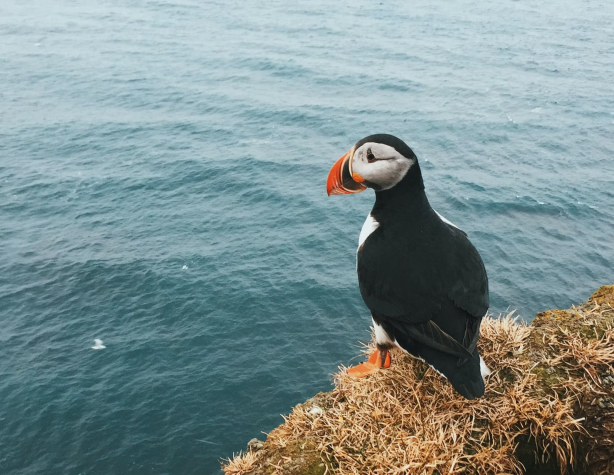
Image: A lone puffin stood on the cliffs
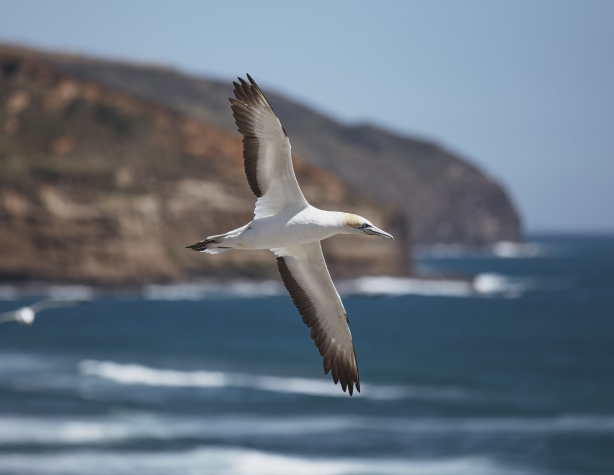
Image: A gannet in flight
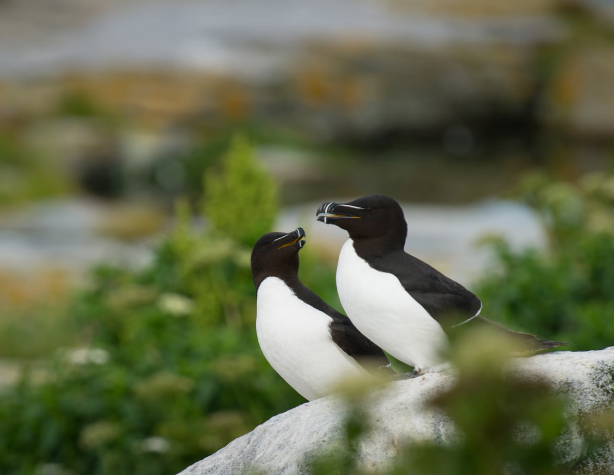
Image: A pair of razorbills.